Otoplasty is a medical approach that enables patients to achieve better-looking and operating ears and safe outcomes. People need to understand the actual information while clearing up false beliefs to arrive at a proper decision.
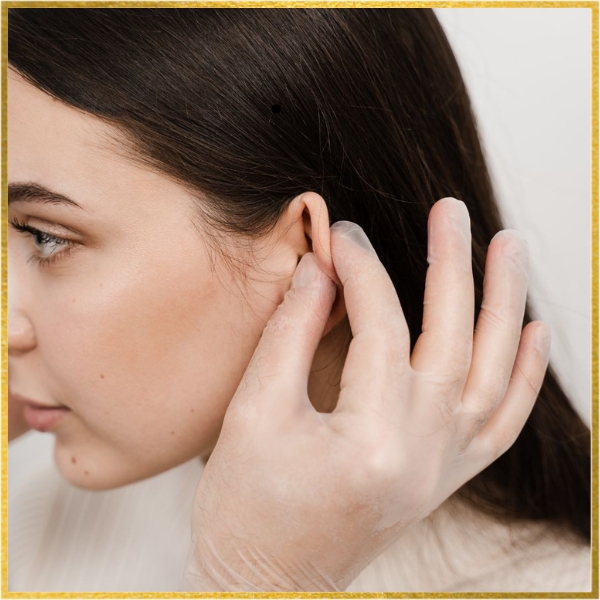
The cosmetic surgery procedure known as otoplasty surgery experiences many false beliefs about its nature. Potential patients delay their surgical decisions when they encounter misleading information that generates baseless concerns and unachievable expectations about the procedure.
This blog provides reality-based information about otoplasty surgery, addressing the popular myths that prevent patients from making knowledgeable choices.
Ear reshaping surgery, known as otoplasty, benefits patients who seek it as children age five and older and adults who need it. Adults choose ear surgery to treat their protruding ears and correct asymmetrical ears and ear deformities resulting from injuries.
A surgery to reshape the ears makes no difference based on a person's age. A person's general health condition and sensible expectations are the primary determining elements.
The primary purpose of otoplasty surgery happens to be cosmetic enhancement; however, it resolves both medical conditions and functional disturbances. The physical shape of some ear structures results in troublesome experiences for people who wear glasses because these structures create discomfort that negatively affects self-confidence.
Medical corrections through otoplasty procedures result in higher self-esteem, which leads to enhanced quality of life.
The main benefit of otoplasty procedures is the tiny scars that hide behind ear creases, making them difficult to see after recovery. Surgeons employ modern procedural methods to minimize the development of abnormal scarring and preserve natural-looking outcomes.
Strict compliance with postoperative care and surgical instructions the surgeon provides decreases the likelihood of detectable scars.
Otoplasty patients need to recover faster than patients who undergo alternative cosmetic surgeries. After the procedure, most patients need approximately seven to ten days to resume their work or school activities.
A common side effect of otoplasty right after surgery is mild discomfort and swelling, which can be managed by following recommended medicine prescriptions and care routines. The surgeon advises patients to wear a protective headband for the best recovery outcome.
The surgical objective of otoplasty involves crafting watermarked results that enhance the patient's facial profile. A Skilled cosmetic surgeon uses their experience to apply the operation according to each patient's natural physical structure to maintain ear balance and proportion.
You should choose a board-certified cosmetic surgeon with significant experience in otoplasty procedures to achieve your desired results.
Any surgery procedure involves risks while otoplasty is performed. The procedure demonstrates safety when surgeons with qualifications and extensive experience practice otoplasty medicine.
The surgeon's post-operative instructions should be followed explicitly to reduce possible risks, such as infection and minor asymmetry. You must also explain your worries and potential dangers to your surgeon to maintain psychological wellness.
Among the principal reasons that drive patients toward otoplasty is ear protrusion, yet the procedure provides solutions for multiple ear challenges:
Otoplasty procedures provide suitable options for multiple types of goals that concern both aesthetics and function.
Otoplasty results are typically permanent. The reshaped ear structures that doctors secure in their new position show good stability until the end of a person's lifetime.
Otoplasty is not gender-specific. Anyone can undergo ear-reshaping surgery to address multiple personal reasons. The surgical approach accommodates individual facial anatomy and aesthetic needs without regard to gender differences.
Back sleeping becomes a crucial recovery guideline for patients since it eliminates side pressure on the ear structures. Sleepers may need to adjust. Because of this restriction, people prefer side sleep must temporarily reposition their sleep approach.
After otoplasty surgery, most individuals return to their usual sleeping positions during the third month of recovery.
The surgical alteration through Otoplasty does not influence the internal structures of the ear or the patient's ability to hear sound. The surgical interventions target the external ear components known as the pinna without affecting any components linked to hearing. Your ability to listen will stay unchanged following the procedure.
Otoplasty Myth 12: Otoplasty Is Only Performed Once the Ears Are Fully Developed
The ear grows to approximately 90% of its adult size before children reach the age of five, so otoplasty demonstrates both security and satisfactory outcomes at this stage. Early treatment helps stop bullying and prevent childhood issues with self-esteem development. The operation can be performed on anyone who has passed through the developmental stage that the ears need to achieve, and it maintains equivalent success for those undergoing aesthetic procedures or corrective treatments.
Otoplasty is a medical approach that enables patients to achieve better-looking and operating ears and safe outcomes. People need to understand the actual information while clearing up false beliefs to arrive at a proper decision.
When deciding about types of otoplasty, seek a board-certified cosmetic surgeon who assesses your needs while answering your questions and confidently guiding you regarding the procedure.